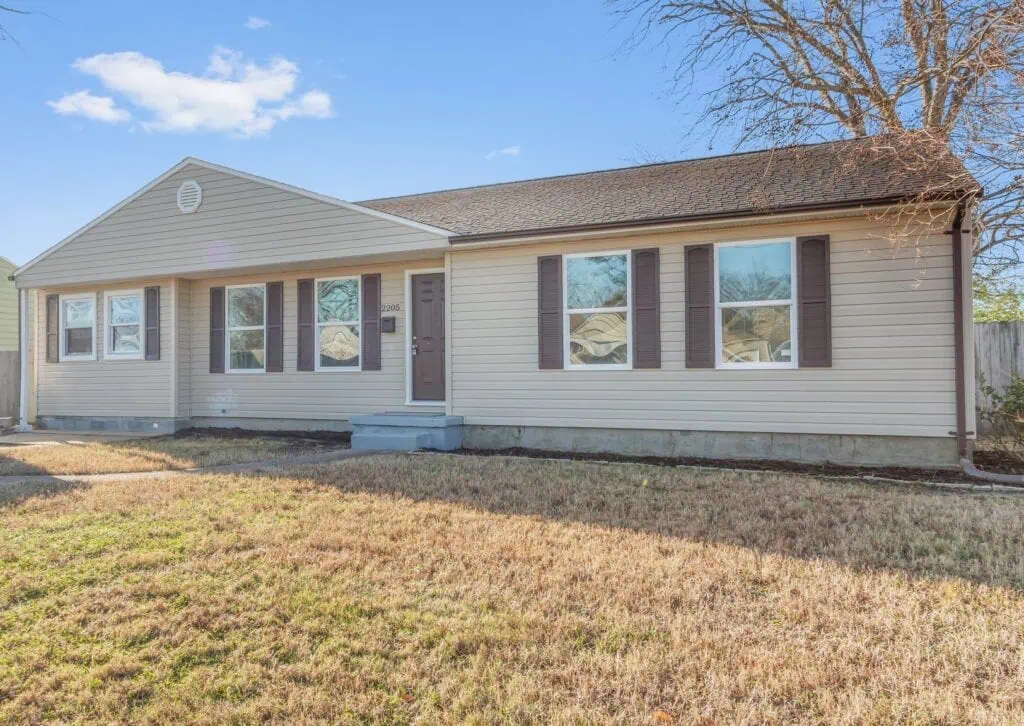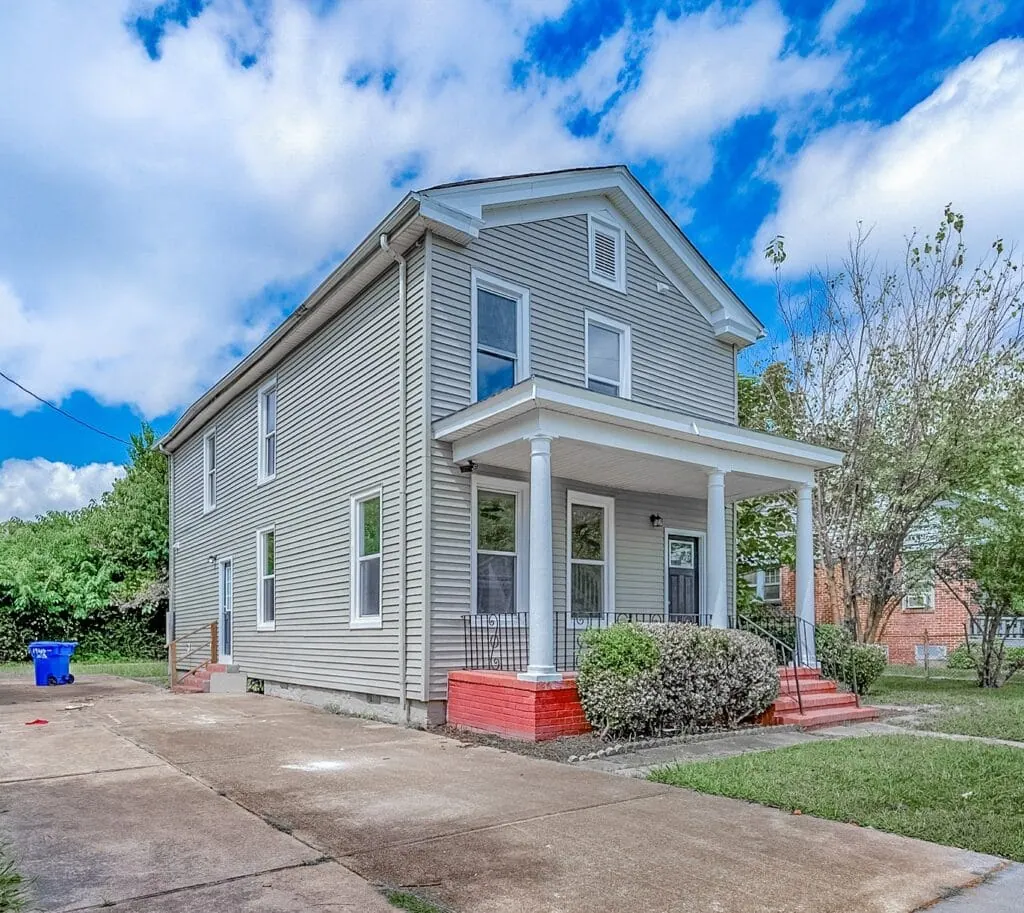
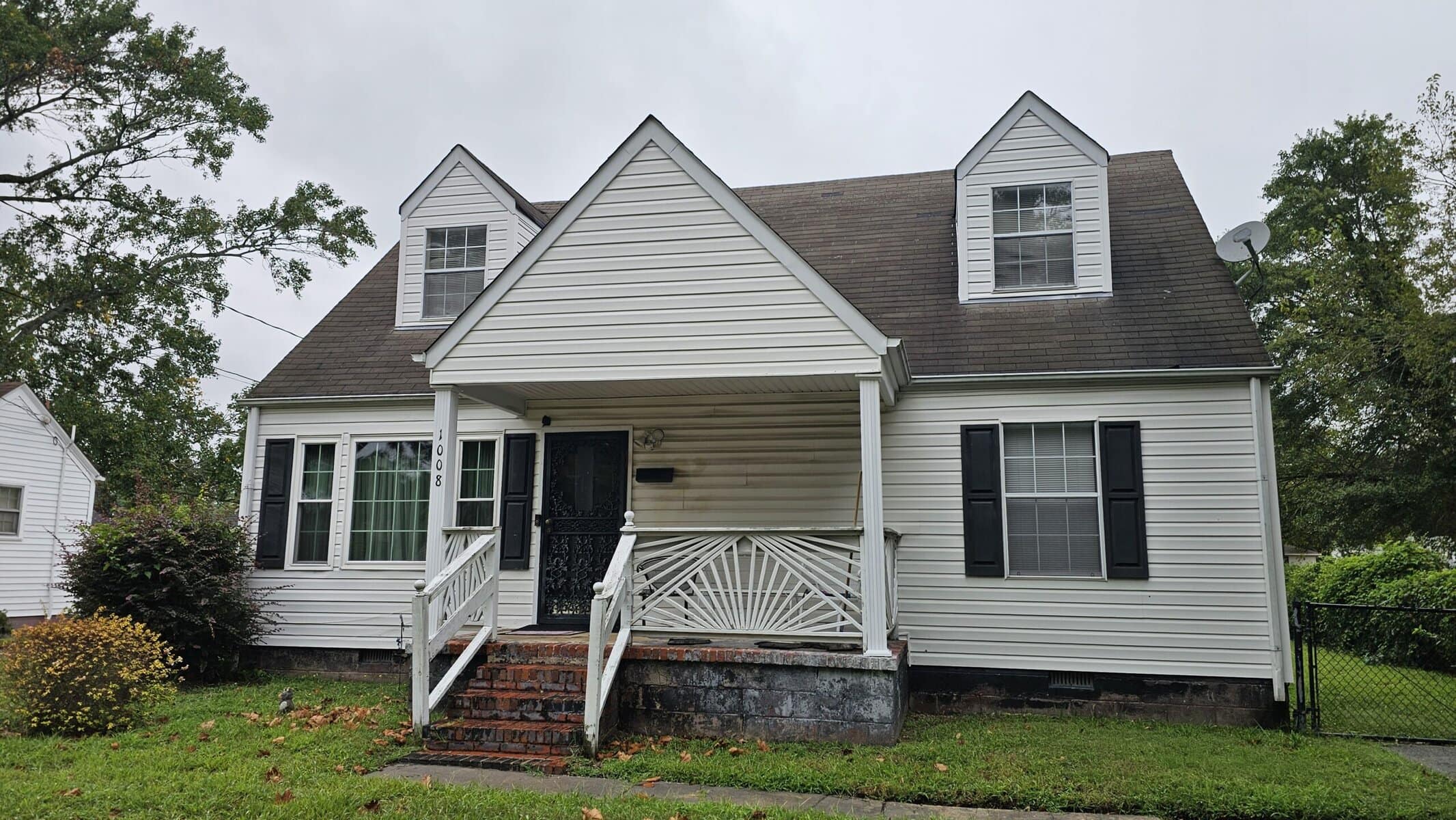
At 757 Property Solutions, we buy houses in Norfolk every week, in every condition. One of the most common questions we hear from homeowners is whether they should make repairs before selling. It’s a fair question, and the answer depends on more than most people realize.
The cost of repairs, the time they take, and the return you actually get can vary widely. Here’s what you need to know before spending a dollar.
Not All Repairs Are Created Equal
Some repairs protect your sale price. Others barely move the needle. The key is knowing the difference before you open your wallet.
Buyers in the Norfolk market, whether they’re looking in Larchmont, Ghent, or out toward Little Creek, tend to focus on big-ticket items first. Things like the roof, HVAC system, foundation, and electrical panel. If those have obvious issues, buyers either walk away or come in with aggressive lowball offers.
Cosmetic updates like fresh paint or new light fixtures are a different story. They make a home show better, but they rarely add dollar-for-dollar value at the closing table.
The True Cost of Making Repairs Before Listing
Let’s say your Norfolk home needs a new roof. The average roof replacement cost in the Hampton Roads area runs between $8,000 and $15,000, depending on the size and materials. You pay that upfront, list the home, and hope buyers value it accordingly.
Here’s the problem. Buyers and their agents rarely give you full credit for recent repairs. They see a new roof as a baseline expectation, not a premium feature. You might recover 50 to 70 cents on the dollar in your sale price, if you’re lucky.
The same pattern plays out with HVAC replacements, plumbing updates, and electrical work. The repair reduces the chance of a deal falling through, but it doesn’t always translate to a higher offer.
How Buyers and Inspectors Factor In Repair Costs
When a buyer makes an offer on a Norfolk home, they often include inspection contingencies. After the inspection, they come back with a repair request or a price reduction. Even if you’ve already made repairs, buyers will find something new to negotiate on.
This is one of the most frustrating parts of a traditional sale. You spend money fixing the house, then spend more time negotiating over things you didn’t fix. The process can drag on for weeks, and deals fall apart more often than sellers expect.
In a competitive market, buyers have options. If your home is in areas like Ocean View or Wards Corner and shows any deferred maintenance, expect the negotiation phase to be tough.
Which Repairs Tend to Have the Best Return?
If you do decide to make repairs before listing, focus on the ones that have the clearest impact on buyer decisions in the Norfolk market.
Fresh interior paint is one of the highest-return updates you can make. It’s relatively low-cost and makes a strong first impression. Cleaning up landscaping and improving curb appeal matters too, especially in neighborhoods where buyers are driving through before scheduling a showing.
Fixing obvious safety issues like broken handrails, faulty outlets, or damaged flooring also helps. Buyers notice these things immediately, and lenders sometimes require them to be resolved before approving financing.
Avoid over-improving. Putting a high-end kitchen into a modest home in a mid-range Norfolk neighborhood rarely pays off. The market sets a ceiling on value, and no amount of renovation gets you above it.
The Hidden Costs That Eat Into Your Repair Budget
Beyond the direct cost of repairs, there are carrying costs to consider. Every month your Norfolk home sits while you’re renovating or waiting for contractors, you’re paying mortgage, taxes, insurance, and utilities.
Contractor timelines in Hampton Roads, like anywhere, tend to run long. A project you expected to finish in three weeks stretches to six. Your listing gets delayed. Your carrying costs add up. By the time you close, a chunk of what you hoped to net has already been spent.
This is why many sellers find that making major repairs before listing doesn’t improve their bottom line as much as they expected.
Selling As-Is: What It Actually Means for Your Net
Selling a house as-is gets a bad reputation, but for many Norfolk homeowners, it’s the smarter financial move. When you sell as-is to a cash buyer, you skip the repair costs, skip the contractor headaches, and skip the months of carrying costs.
The offer will reflect the home’s current condition. But when you do the full math, many sellers end up in a similar place financially, and sometimes better off, without any of the stress.
We’ve worked with homeowners across Norfolk, from Talbot Park to Park Place, who came to us after spending money on repairs that didn’t move their sale price the way they hoped. After going through the numbers together, selling as-is made more sense for their situation.
How to Think About the Decision
Before you spend money on repairs, ask yourself three questions. First, what is the repair likely to cost, and what is the realistic return at closing? Second, how long will the repair take, and what are your carrying costs during that time? Third, do you have the time and energy to manage contractors, inspections, and negotiations?
If the answers point toward a long, expensive, uncertain process, it’s worth getting a cash offer first. You can always compare the two options and make the choice that works best for your situation.
If you own a home in Norfolk and want a clear picture of what your property is worth in its current condition, reach out to 757 Property Solutions. We’ll walk you through your options honestly, with no pressure and no fees. Whether you want to sell your house fast in Norfolk or you’re still weighing your choices, we’re here to help you figure out the right path forward.